Crawl Space Water Damage in Beaverton, OR
Eight wet months and slow-draining clay put water under a lot of Beaverton homes. The mitigation team pumps it out, pulls wet insulation and dries the framing before it starts to decay.
(888) 373-8814Speak with 24/7 Beaverton dispatch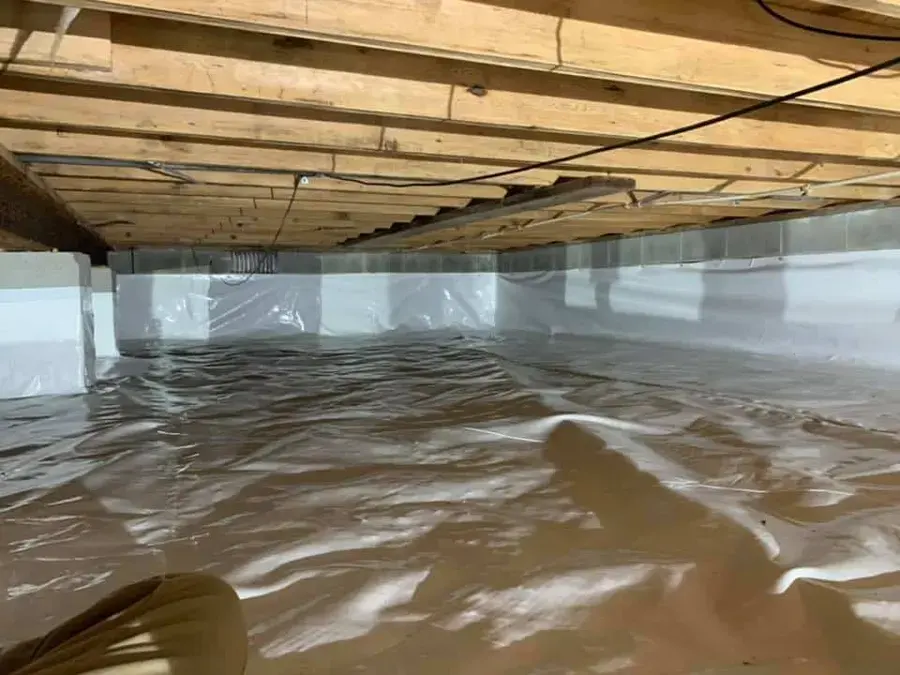
What to do the moment you find crawl space water
- Look, do not enter
Check from the access hatch with a flashlight and take photos.
- Check the pump
If there is a crawlspace pump, see whether it runs and has power.
- Stop any plumbing leak
If a pipe is the source, shut the main valve.
- Call before it spreads
Wet insulation and joists keep feeding moisture into the house.
The trade facts
How crawl space water is handled in Beaverton
The order of the work is what separates a finished dry-out from a cosmetic one.
- 1
Walkthrough and moisture map
The tech who does the walkthrough maps moisture with pinless meters and thermal imaging before any equipment goes down.
- 2
Extraction
The extraction crew pulls standing water with truck-mounted extraction, so the water leaves the building instead of moving to the next room.
- 3
Air movers and LGR dehumidifiers
The drying team sets air movers to each room's evaporation load and runs LGR dehumidifiers, or desiccants for Class 4 materials.
- 4
Daily readings to the drying goal
Most crews log readings daily and pull equipment once wet material sits within 2 to 4 points of a dry reference material.
Rapid local response
The response team answers around the clock and treats active water as an emergency, because every hour of wicking adds drying time.
IICRC S500 drying standard
IICRC S500 is the industry drying standard. Crews map moisture first and pull equipment only when the readings say dry.
Claim-ready documentation
Daily moisture readings, a moisture map and timestamped photos before any demolition: the file an adjuster reads.
Tualatin Valley water experts
Crawlspaces, clay soil, creek flooding and eight wet months: the local pros know how water moves in a Beaverton house.
What does crawl space water damage cost in Beaverton, OR?
In Beaverton, OR, crawl space water damage cleanup typically runs $1,500 to $8,000 or more. The drivers are the category of water, the square footage under the house, how much insulation has to come out, and how long the water sat before drying started.
Small area, caught early
- Pumping and extraction
- Spot insulation removal
- Dehumidifier drying
Full crawlspace
- Standing water removed
- Most insulation pulled
- Joists and subfloor dried
Contaminated or long-standing
- Sewer or floodwater source
- Containment and antimicrobial
- Vapor barrier replaced
These are typical ranges, not a quote. Get a closer planning number with the water damage cost calculator; the restoration contractor who responds scopes the real job on site.
Most Beaverton homes built from the 1950s through the 1980s sit over a vented crawlspace, and plenty of newer homes do too. When the ground stays saturated through a long rain spell, water seeps in around the footings and vents and pools on the vapor barrier. Because nobody goes under the house, it can sit for weeks, soaking insulation and raising humidity in the whole home.
Signs of water under the house
- A musty smell in the rooms above, worst after a storm week
- Floors that feel soft, cold or cupped
- Condensation on ductwork, or insulation hanging loose between the joists
- A crawlspace pump that runs constantly, or not at all
How crawl space water is cleaned up
- The tech who does the walkthrough checks for standing water, wiring hazards and the source: groundwater, a downspout or a plumbing leak
- The extraction crew pumps and vacuums water off the vapor barrier
- The mitigation team pulls wet fiberglass insulation from between the joists, since it holds water and stalls drying
- The drying team dries joists, beams and subfloor with LGR dehumidifiers and air movers, logging readings daily
Groundwater that has run across soil is usually treated as Category 2. If a sewer line under the house is the source, it is Category 3 and the crew adds containment, as the sewage backup cleanup page explains.
Water under the house after a storm week? Describe what you can see from the hatch and the restoration team plans the equipment.
Call (888) 373-8814 for the Beaverton lineKeeping it from coming back
Drying is the restoration step; the fix for the source is often simple. Downspouts that dump next to the foundation, a torn vapor barrier, or a pump without a working float are common culprits. Oregon State University Extension publishes home moisture guidance for Northwest homes, and the City of Beaverton posts storm and drainage information for residents.
Do not crawl into standing water
A flooded crawlspace can hide energized wiring, sharp debris and contaminated water. Look from the hatch with a flashlight, take a photo, and leave the rest to a crew with protective gear.
Crawl Space Water Damage across Beaverton
The Beaverton water damage pros take calls from every Beaverton ZIP and the neighboring Washington County towns, day or night.
Coverage runs across Beaverton, Aloha, Cedar Mill, Bethany, Tigard, Hillsboro, Tualatin and the west side of Portland, ZIP codes 97003, 97005, 97006, 97007, 97008 and the Beaverton PO box ZIPs.
The restoration team asks for the cross street and which level of the house is wet, because that decides what goes on the truck.
See every neighborhood and ZIP coveredCrawl Space Water Damage questions
Why does my crawlspace take on water every winter?
Beaverton's silt and clay soils drain slowly, and roughly 40 inches of rain falls, mostly between October and May. When the soil stays saturated, groundwater finds its way in around footings and vents. Downspouts that discharge next to the foundation make it worse.
Is a little water under the house a problem?
Yes, if it sits. Standing water raises the humidity of the whole house, soaks insulation and keeps wood framing wet. Mold can start on wet materials inside 24 to 48 hours, and long-wet joists can decay.
Does wet insulation have to be replaced?
Wet fiberglass batts between the joists usually come out, because they hold water against the subfloor and slow drying. The drying team removes them, dries the framing, and leaves replacement for the repair phase.
How long does a crawlspace take to dry?
A crawlspace with standing water usually takes several days to more than a week after extraction, longer in the wet season. Crews run LGR dehumidifiers and pull equipment when joists and subfloor read within 2 to 4 points of a dry reference.
Is crawl space water covered by insurance?
It depends on the source. A sudden plumbing leak is treated differently from groundwater seepage or flooding. Coverage depends on your policy, so it is worth checking with your own insurer, and a moisture map plus daily logs helps either way.
Can a pump stop crawlspace water?
A pump in a low pit removes water that collects, and it works best alongside clean gutters, extended downspouts and an intact vapor barrier. The sump pump failure page covers what to do when a pump quits.
Related water damage services in Beaverton
Crawl Space Water Damage in Beaverton? Call now.
Wet material keeps wicking until someone dries it. The Beaverton water damage pros answer day or night and start with extraction and a moisture map.